In early June, Alterthess travelled to Turkey as part of an investigation into the climate crisis and food. We sought out people who cultivate the land while caring for the soil, those searching for alternative and fairer ways of producing food, and others resisting the seizure and plundering of their land. Our investigation will take the form of a series of video episodes, scheduled for publication in September. Watch the trailer for the Balkan Food Trailblazers series at the end of this article.
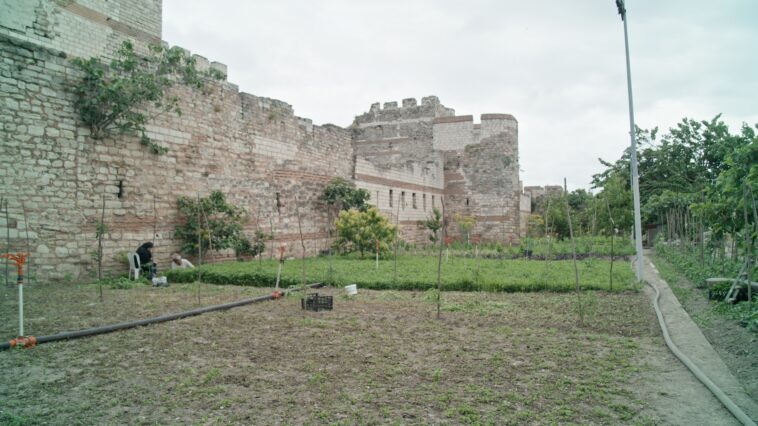
In Yedikule, Istanbul, among the walls that have survived natural disasters, wars and countless calamities, borne witness to successive civilisations and provided shelter to different communities, a tradition of agricultural cultivation continues to thrive. These are the Yedikule market gardens, which hold an important place both as part of the city’s cultural heritage and as a living agricultural memory that has survived to this day.
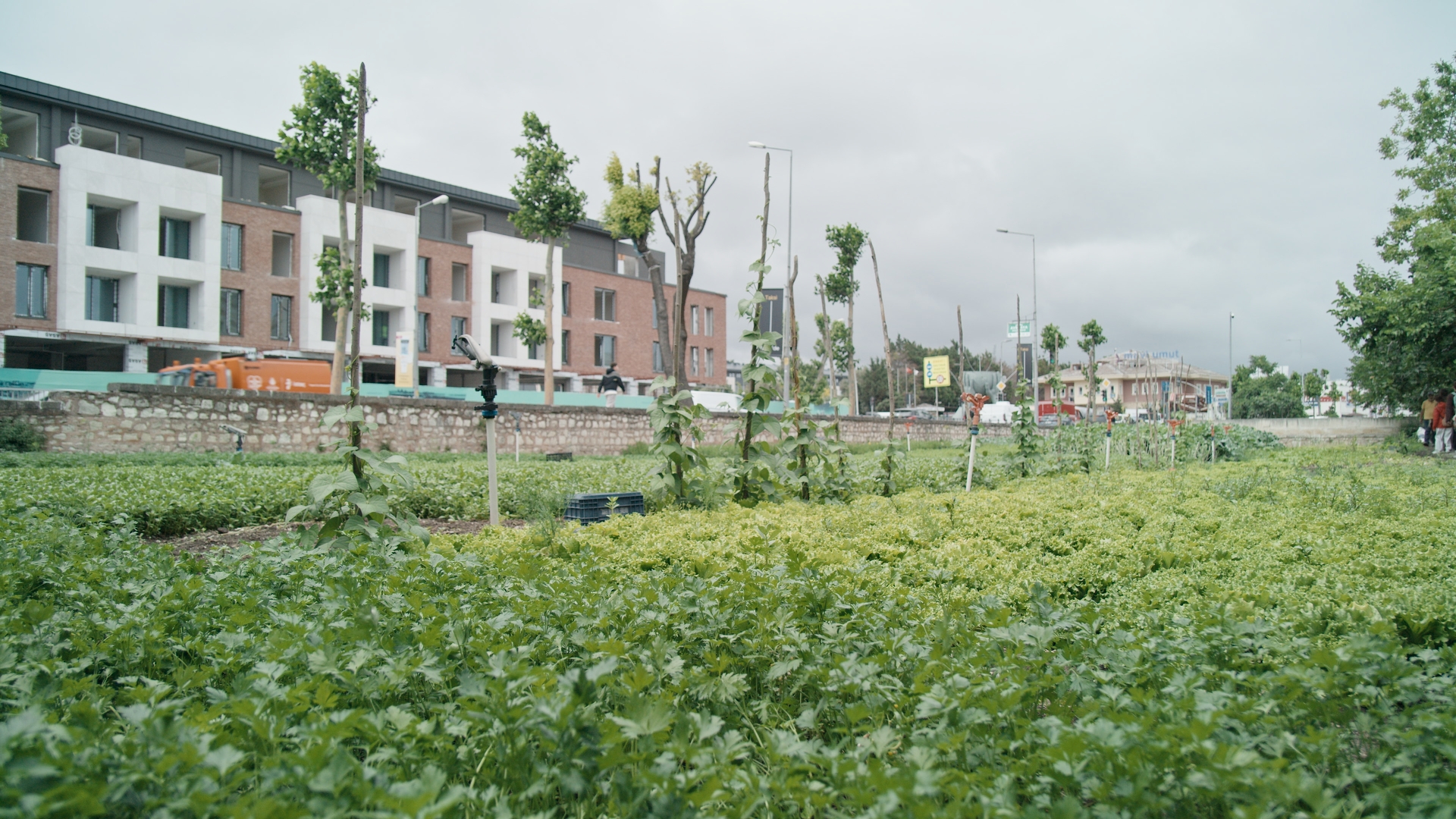
Walking along the city walls, one comes across dozens of gardens, small plots where a wide variety of vegetables are grown. They are tended by people struggling to make a living by selling their produce at small open-air markets around the city. The conversion of part of the area into a park, as part of the city’s urban gentrification policy, poses an immediate threat to the survival of these gardens.
“The area we now call the Yedikule Gardens stretches from the Golden Gate to the Mevlana Gate. It consists of gardens located along and immediately adjacent to the Karasu Canal. There are numerous historical records documenting these gardens, particularly from the Ottoman period. However, there is also an important reference to them dating back to the Byzantine era. While the fortifications were being built, farmers in this area were allowed to use the lower levels and ground floors of the walls and towers to store their agricultural tools and equipment. In return for looking after and protecting these areas, a decree was issued allowing them to continue their farming activities where they had left off,” explains İnanç Kıran, who studies Cultural Heritage Conservation and Restoration and is a member of the Initiative to Save the Gardens.
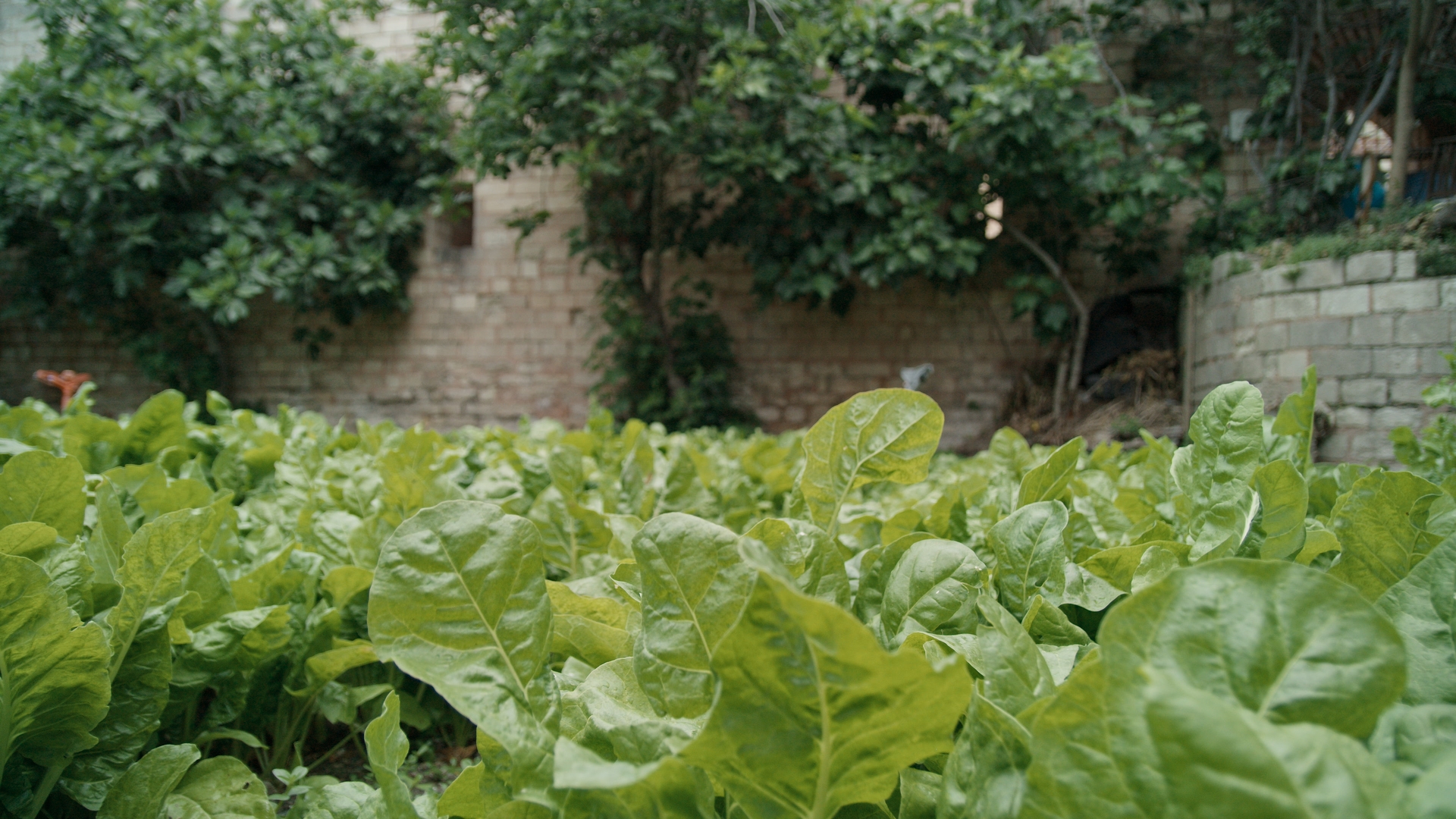
Although the vegetable gardens once covered a much larger area, many growers were displaced during restoration work on the city walls. Today, cultivation is concentrated mainly in two sections: the moats and the area between the outer and inner walls.
The tradition of the market gardeners has been passed down from generation to generation. In the past, from the Ottoman period right through to the present day, Albanians, Greeks, Armenians and Bulgarians found work in the gardens. More recently, migrants and agricultural labourers from Syria and other countries have also worked there.
Changes in Istanbul’s demographic composition have always brought about changes, both in the farming practices employed and in the profile of the people working as market gardeners.
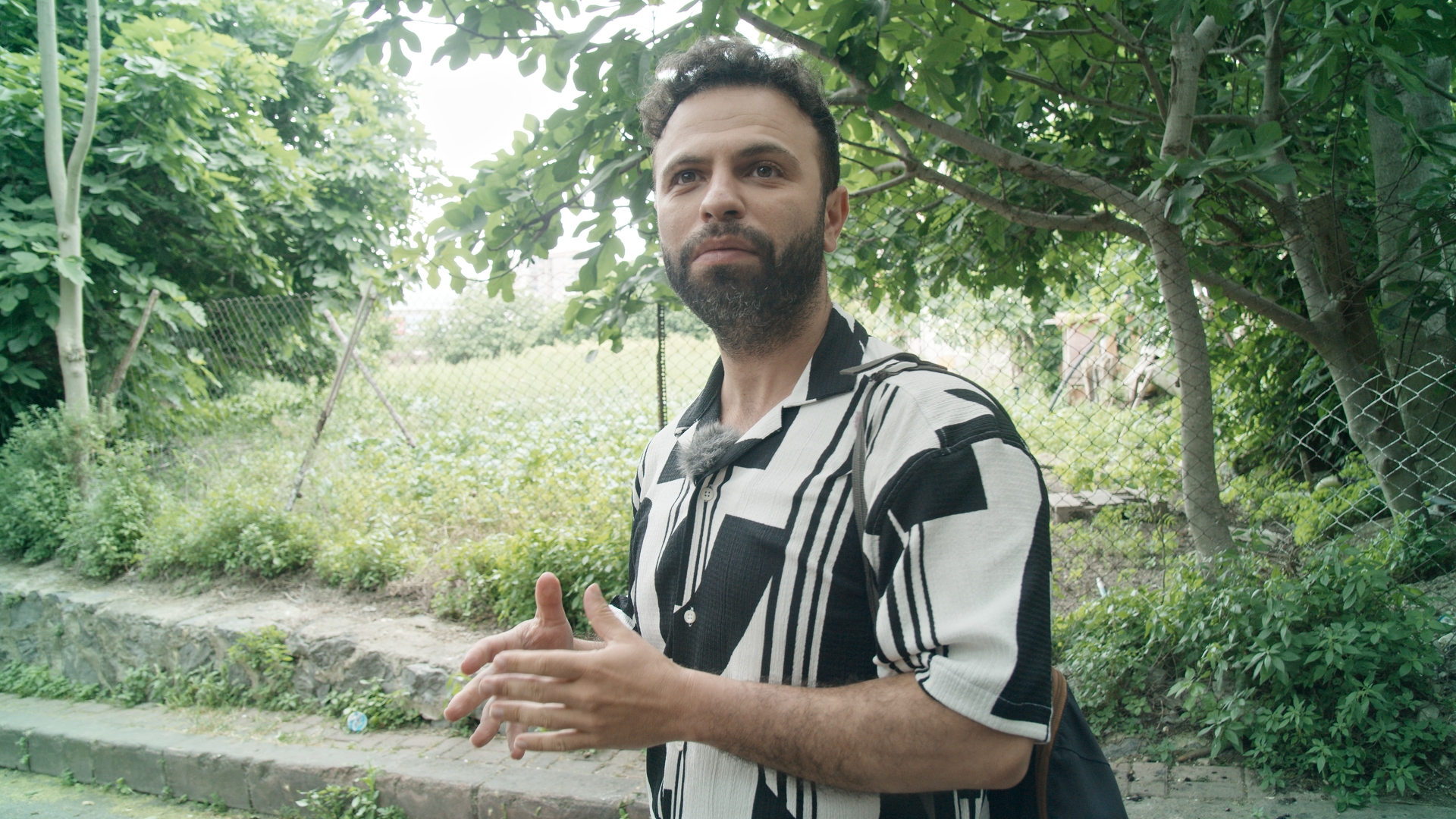
According to İnanç, it is possible that when one generation of growers from a particular ethnic group left, another group took its place. Internal migration also played an important role. “Ultimately, this occupation survived – with its continuities and discontinuities – through its interaction with neighbouring communities. During the Ottoman Empire, for example, alongside the unrest in the Balkans and the political dynamics of the time, large-scale migrations to Istanbul took place, bringing about significant changes in the city’s demographic and occupational composition. The settlement and migration of Greek Rum and others to this area, as well as the arrival of other populations here, are not entirely unrelated to these developments,” he notes.
Today, the market gardeners pay a usage fee, known as Ecrimisil (compensation for the unauthorised use of property or land under Turkish law), to the Metropolitan Municipality and the state. They also hire seasonal workers from time to time to help with cultivation and harvesting. However, the bulk of the work is carried out by the families themselves, making these small-scale family farming enterprises.
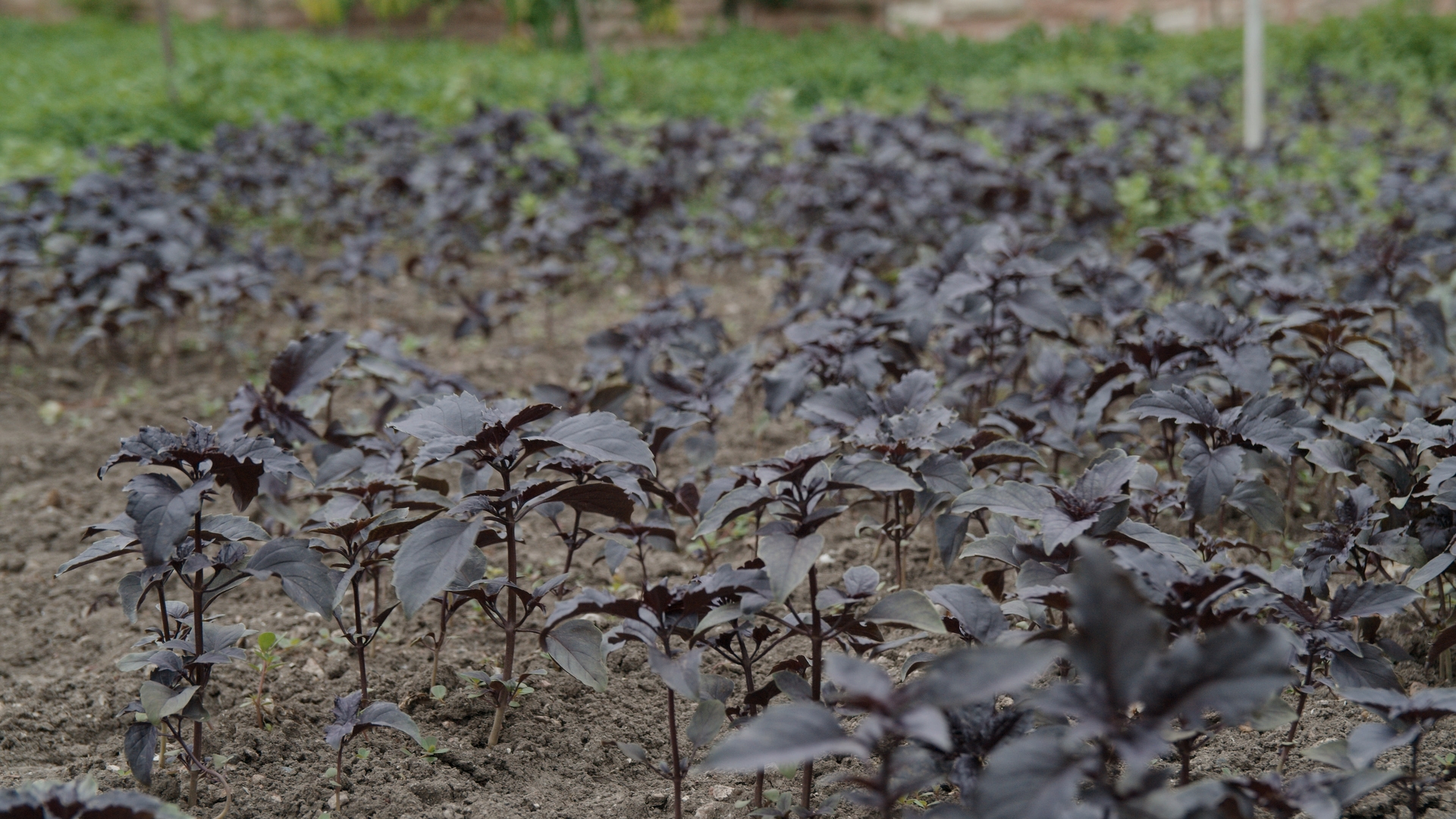
In recent years, these community vegetable gardens have been heading towards extinction as the government seeks to change the use of the land. “The community gardens we see today are the last ones remaining, thanks to the families who continue to look after them. We have repeatedly stated that they must not be abandoned. I hope this trend will not continue.”
An initiative launched in 2013 is working alongside the small-scale growers to protect the communities that have developed around the Yedikule Gardens, while also preserving them as a heritage site for future generations.
“We are pursuing this struggle through solidarity-based practices to ensure that these gardens are not destroyed and that nothing else is built in their place. In other words, if we lose this struggle, we will have lost an integral part of our identity, our memory and our cultural landscape,” says İnanç.
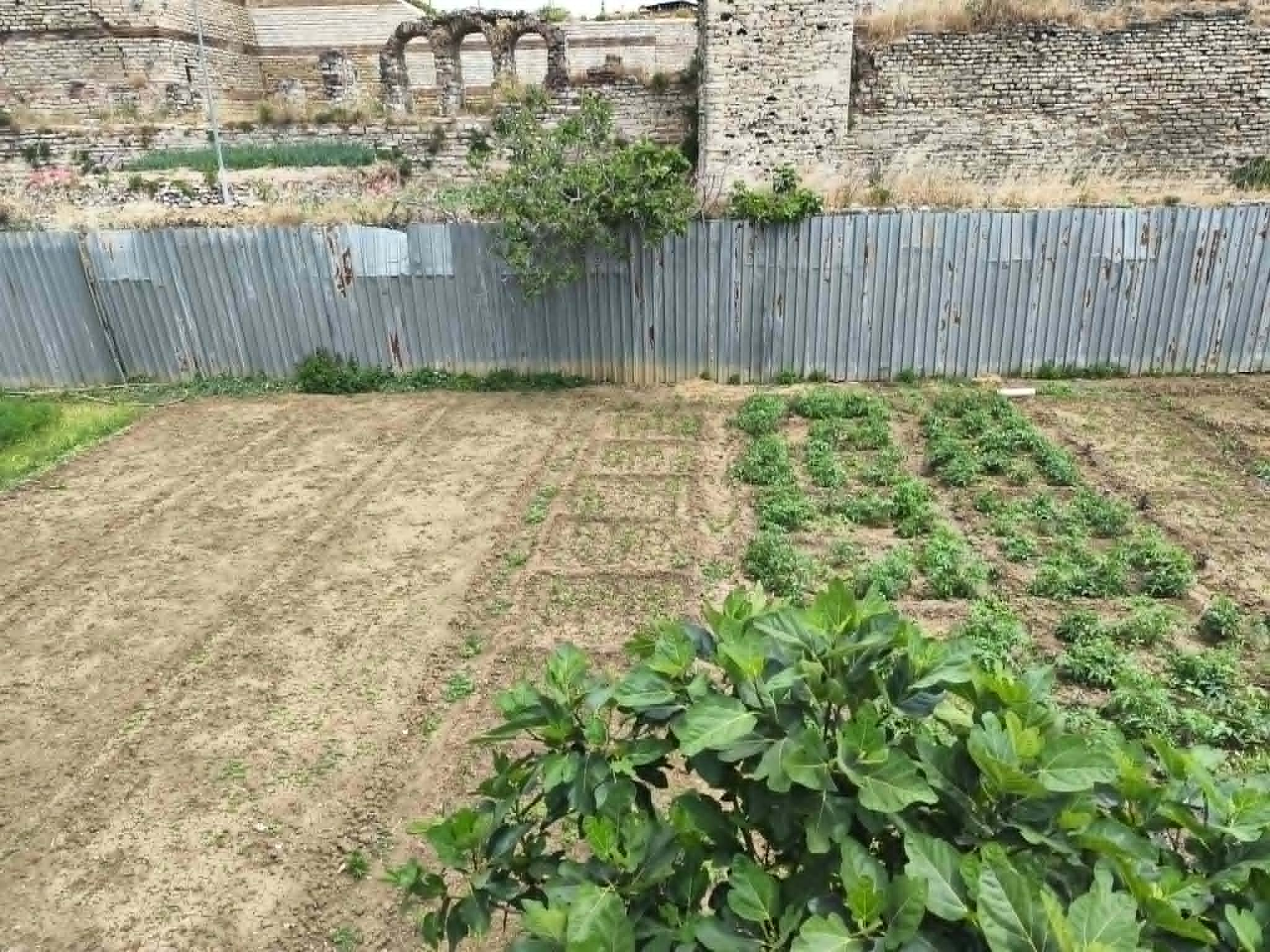
However, this is not simply about preserving a site as a museum piece. Above all, it is about protecting agricultural land within the urban fabric, land that is vital to the people who cultivate it. “It is difficult to find another city anywhere in the world where such a vibrant agricultural landscape exists in such close proximity to its historic walls. The Gardens of Versailles, for example, are included on UNESCO’s World Heritage List, and there are other similar examples of historic gardens that enjoy protection. “For us, the market gardens are a unique and invaluable cultural asset that must be preserved alongside the city’s walls. Their preservation depends on passing them on to future generations, in cooperation with the people who cultivate them.”
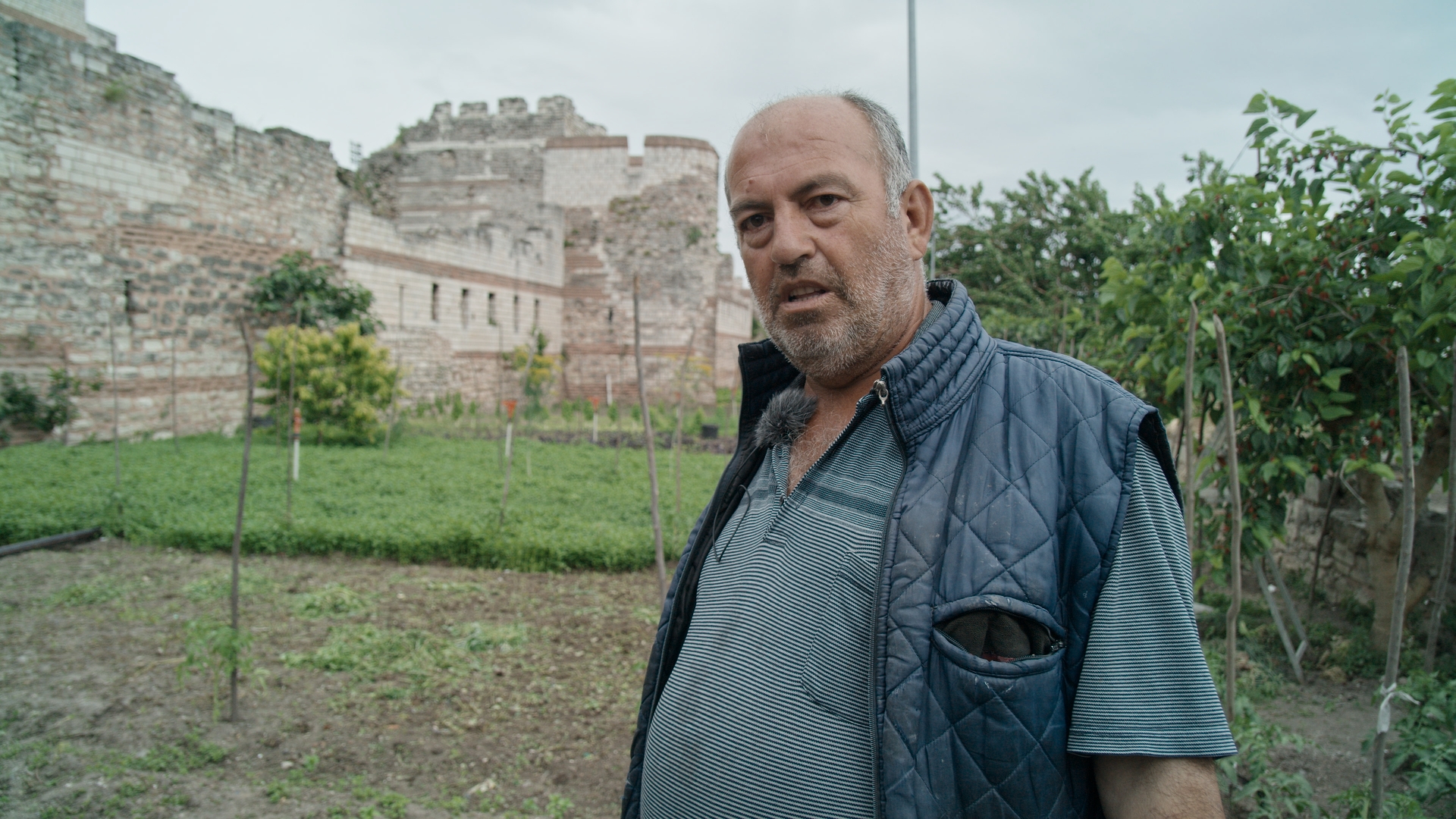
At the first garden we visit, we meet Dursun Kaplan, president of the Yedikule Market Gardeners’ Association. He was born in Cide, in the Kastamonu region (an area from which many of Yedikule’s market gardeners originate) and has been cultivating land here for approximately 35 years. “We followed the same farming practices we learned back in our hometown. The first to come here were people we used to call uncles and aunts in our village. During the summer, seasonal workers would come to work along the city walls. In 1986-87, the gardens in this area were cleared out. Some sections were turned into parks, and some growers left to cultivate land elsewhere. When they were later given the opportunity to return, they chose not to and handed their gardens over to other people. Our parents came here around that time. When my father took over, we realised that he couldn’t manage on his own. So we migrated here and joined him. That’s how it all began.”
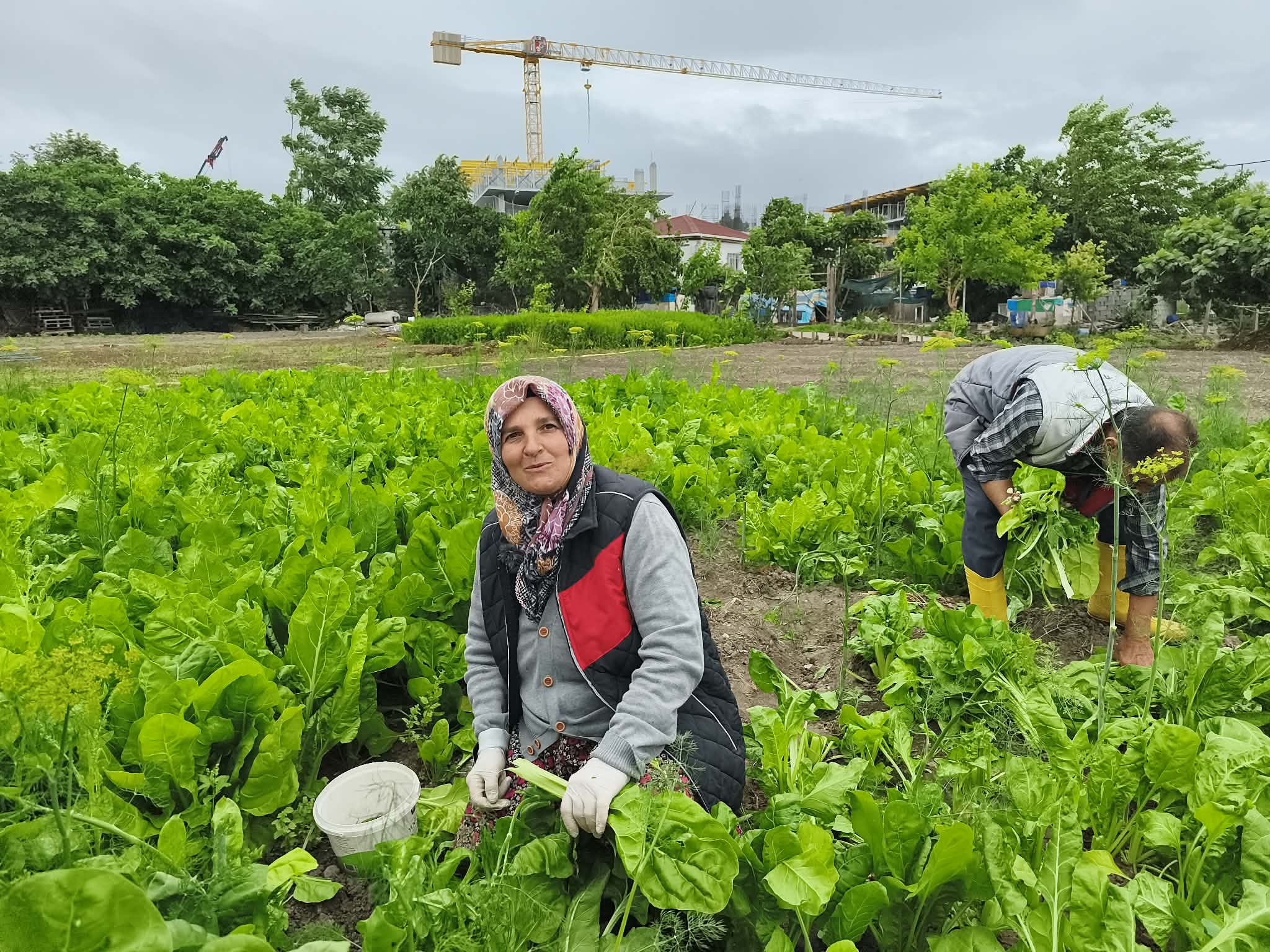
In recent years, the market gardeners have been confronted not only with the effects of the climate crisis but also with a legal dispute with the Municipality over the rent charged for the cultivated plots, which has increased by 1,500% in just a few years. What does this land mean to them? And how are attempts being made to drive them away?
The story continues in the Balkan Food Trailblazers video series, which will be published on our YouTube channel in September. This investigation was made possible with funding from the Rosa Luxemburg Foundation, Greece.