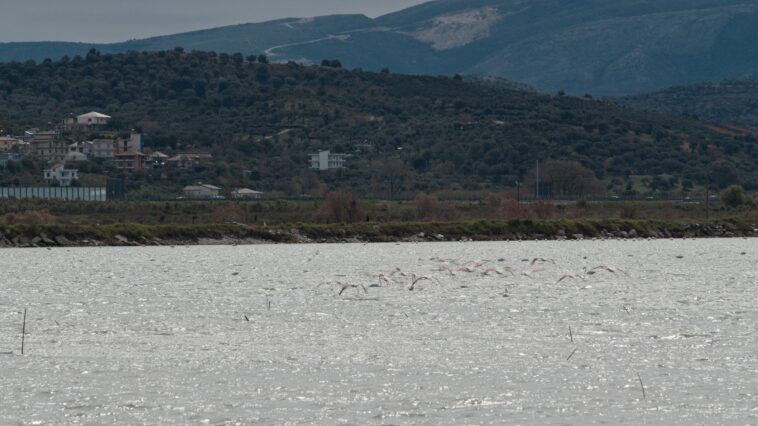
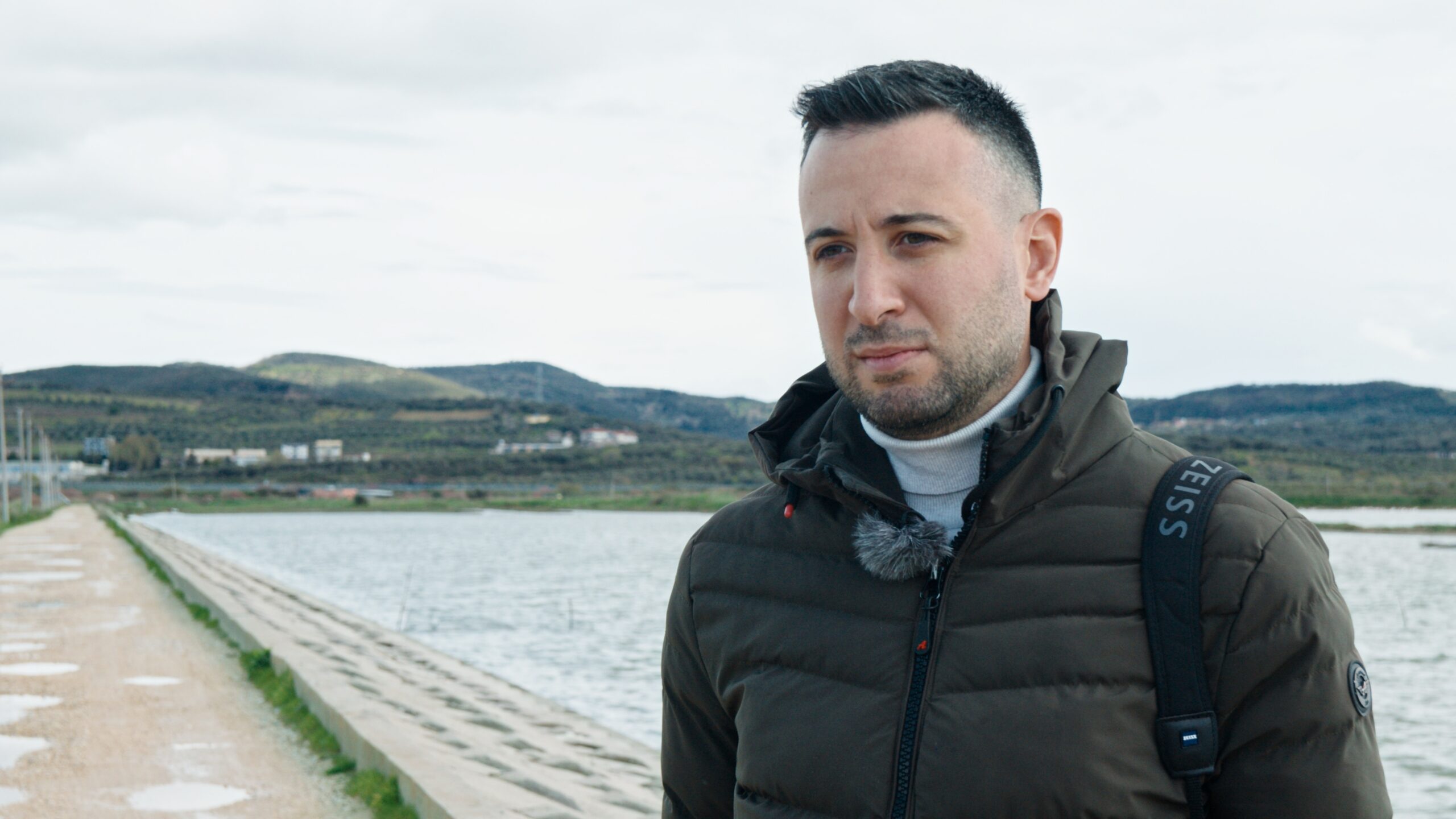
It was late March when we arrived at Narta Lagoon, in the Vlora region of Albania, as part of the filming of a video series exploring the climate crisis and its impact on agricultural production across the Balkan countries. Water levels in the lagoon were still high following heavy rainfall, and Joni Vorpsi, from the environmental organisation PPNEA (Protection and Preservation of Natural Environment in Albania), was watching the first migratory birds to arrive in the area.
“Alongside the flamingos and pelicans, we can see yellow wagtails and many other rare species that travel from Africa to Northern Europe, stopping here for a day or even a week. This is one of the main stopover points along the Adriatic migratory route,” he told us as he looked through his binoculars.
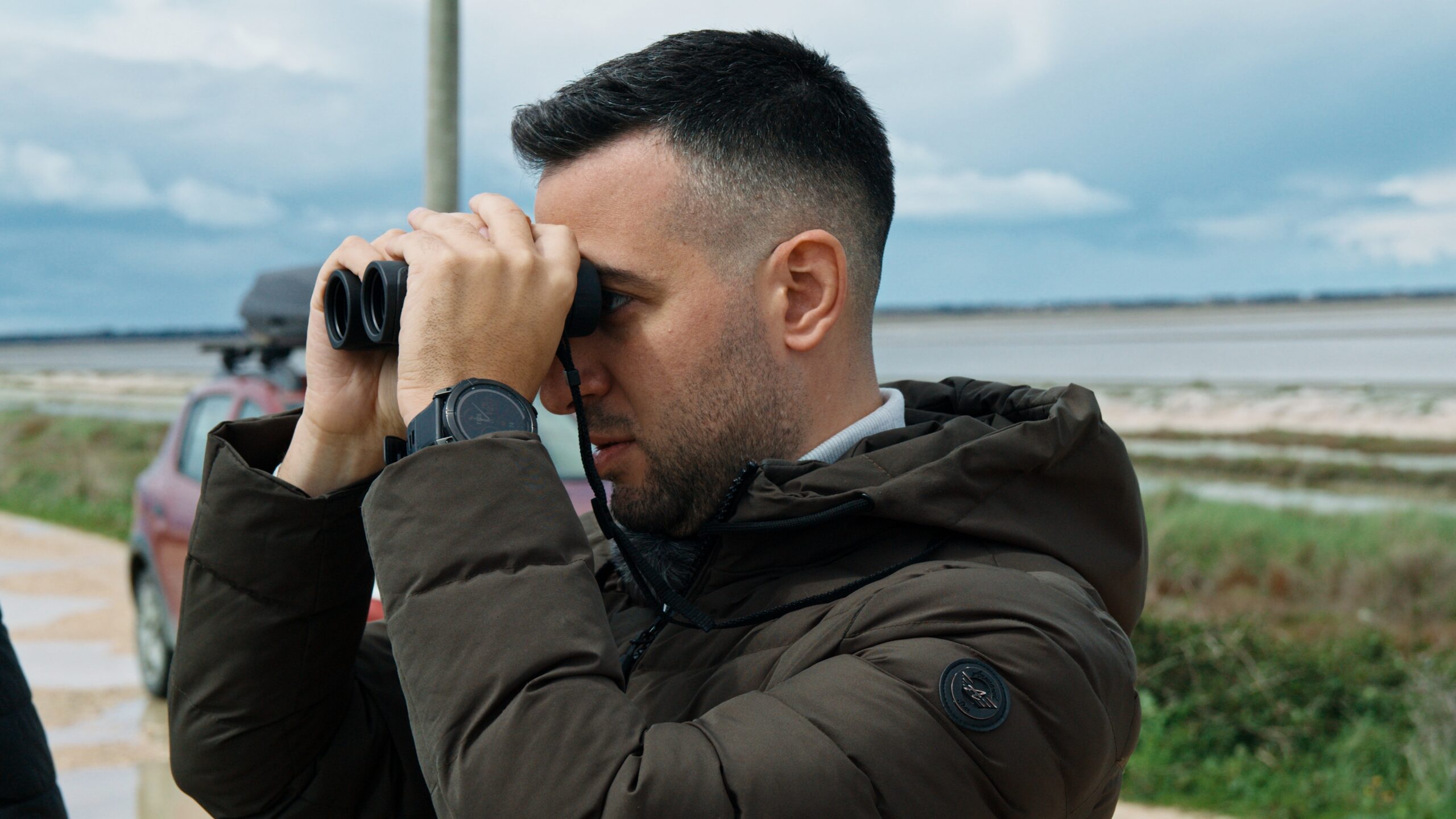
PPNEA is Albania’s oldest environmental organisation. It is at the forefront of efforts to save the Pishë Poro-Narta land preservation from plans to develop a luxury tourist resort backed by Jared Kushner, Donald Trump’s son-in-law, as well as from the construction of Vlora Airport within the protected area.
From the centre of the lagoon, within the Vjosa-Narta preservation area, we beheld a landscape of extraordinary beauty and biodiversity. The area forms part of the delta of the Vjosa River, Europe’s last free-flowing wild river. Joni pointed out the airport control tower, which had already been built within the boundaries of the Vjosa-Narta land reserve. As he explained, the Edi Rama government had lifted the construction ban virtually overnight. He was disappointed by the public’s lack of response, and, indeed, at the time nothing had pointed to the scale of the major uprising that is now unfolding in Albania.
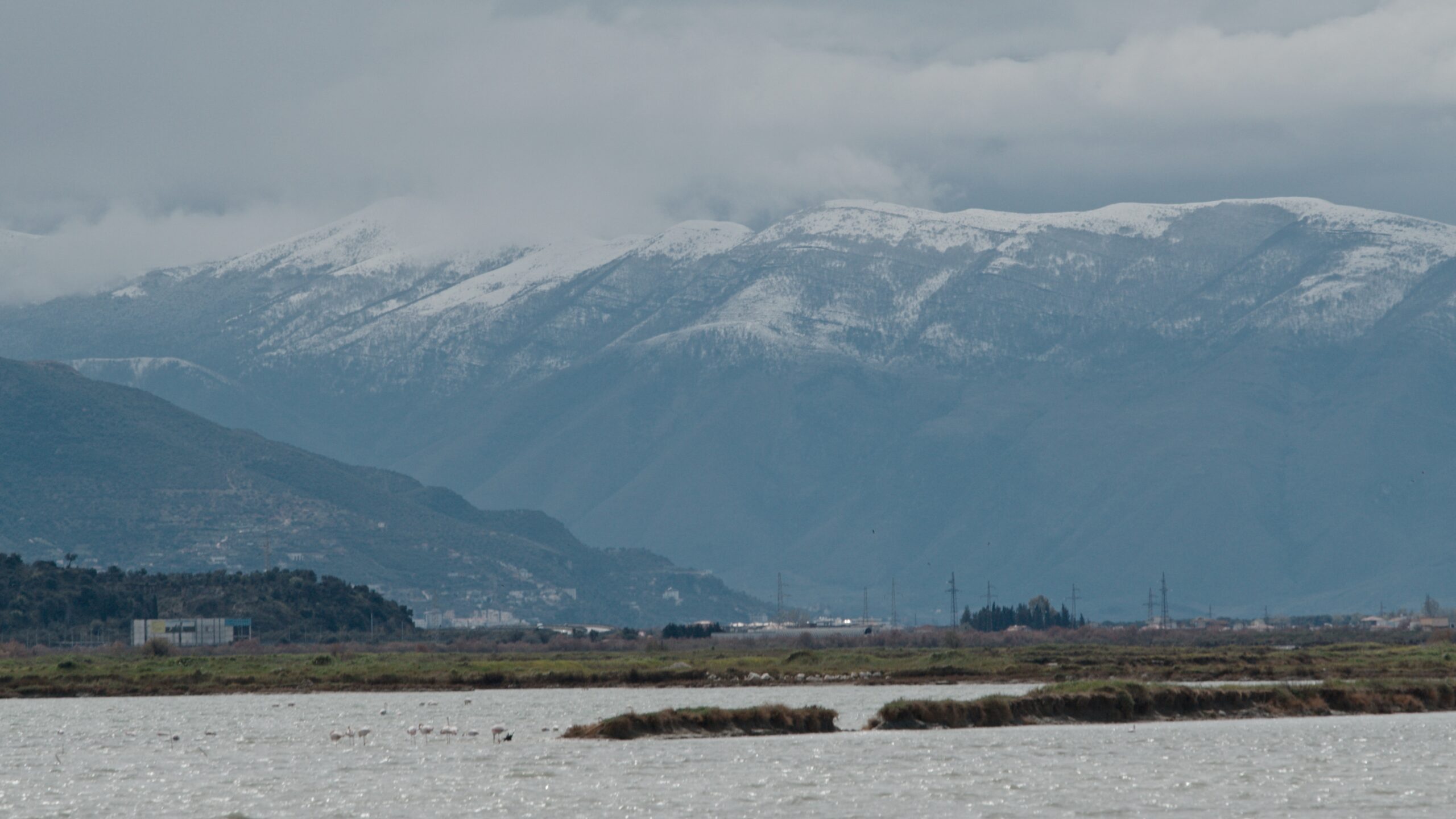
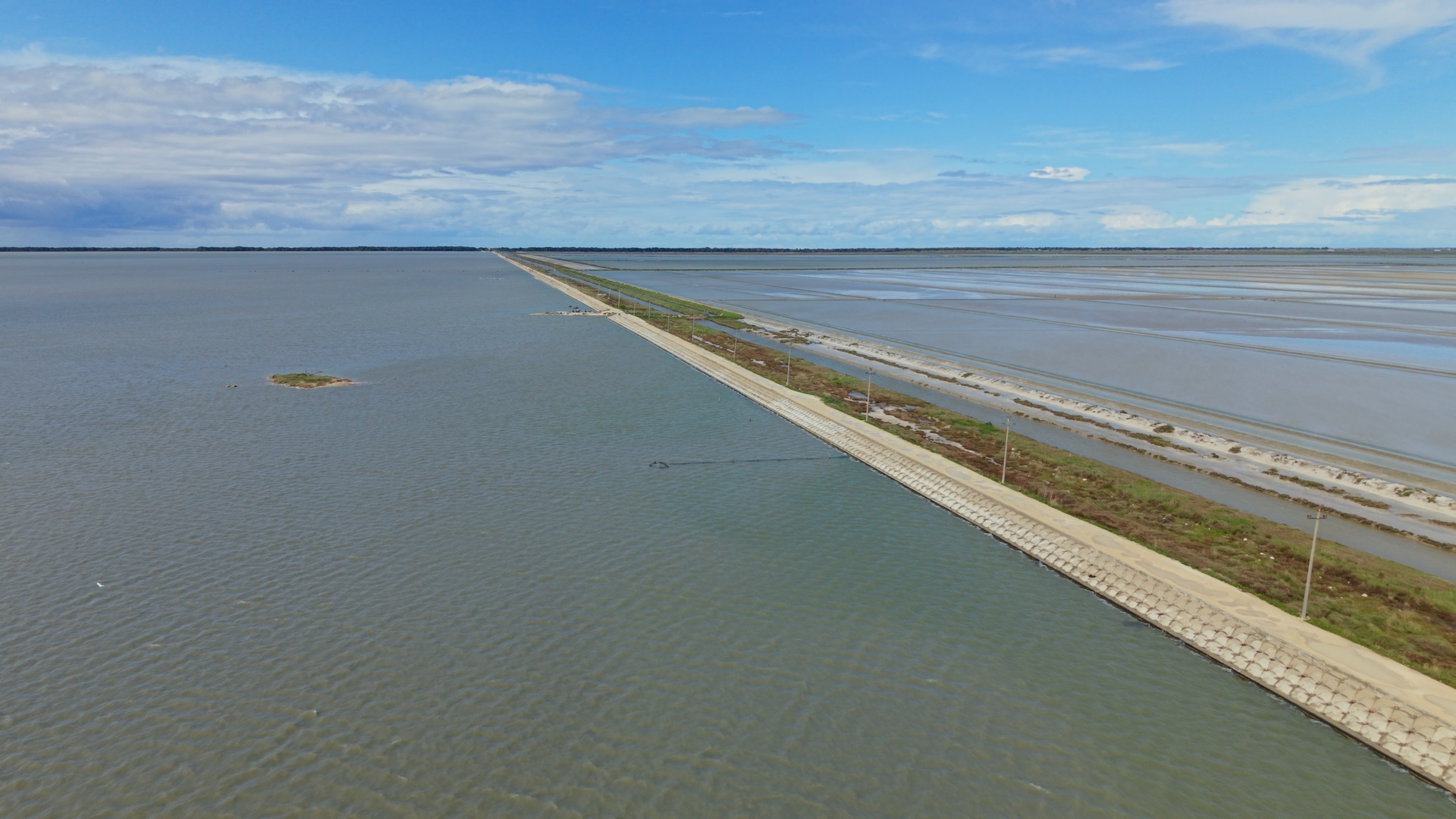
The area is a refuge for more than 70 threatened species and over 200 bird species. Across the lagoon lie salt pans and agricultural fields, created after wetlands were drained in the 1970s to provide employment. Several villages are located in these areas, including Zvërnec, where opposition first emerged to the seizure of land for the proposed tourist resort.
“They are trying to build here, in this area encompassing the lagoon, the forest and the mosaic of habitats. The airport is being built inside the protected area, and this was, in fact, what we call the beginning of the end for protected areas in the country,” Joni Vorpsi explained.
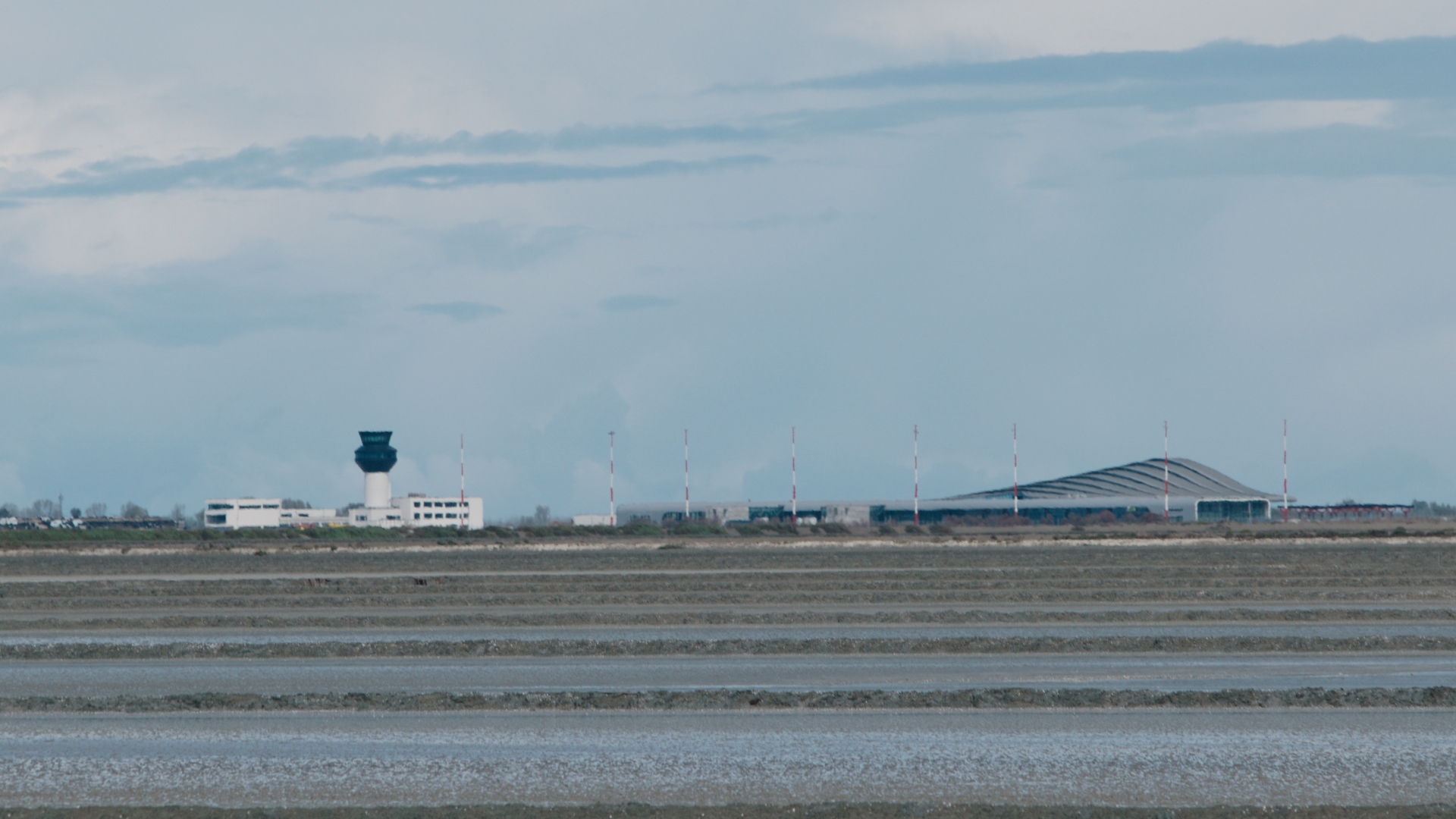
The airport project was announced in 2018. Construction began in 2021 without a permit (which continued for more than a year) and without any public consultation on the Environmental Impact Assessment. Following protests by dozens of environmental organisations, European governments called on the Albanian authorities to suspend the works on the grounds that they violated the Bern Convention, as well as national and international legislation. In 2022, PPNEA and AOS, with the support of EuroNatur, filed a lawsuit with the Albanian Administrative Court challenging the construction of the airport. “The airport has still not been completed, yet the government is trying to present it as a fait accompli,” Joni Vorpsi added.
In February 2024, the Albanian government amended the law on protected areas in response to the widespread opposition to the airport’s construction, which had been carried out in violation of the law. The amendment paved the way for luxury resorts of five stars and above to be built in areas that had previously been under strict protection, including within national parks. In the case of the airport, what is particularly striking is that the government had already altered the boundaries of the protected area, removing protected status from its core zone, precisely where the airport is being built. Its construction will cause multiple problems for birdlife. Beyond the environmental damage, however, the potential collisions between birds and aircraft also pose a threat to human lives, according to Joni Vorpsi.
Following this change, projects that had already been in the pipeline began to come to light.
“One of them was Jared Kushner’s project on the Zvërnec Peninsula, inside the Vjosa-Narta Protected Landscape and close to the airport. It is a resort with 10,000 rooms, which effectively means building a new city in this area. That means providing water and electricity, laying asphalt roads and installing street lighting. This place will no longer be a natural environment. The 10,000 rooms do not refer to hotel rooms. The plan is to build luxury residences for sale. In a place that we consider one of the wildest areas in the Mediterranean, they intend to bring people to live in luxury in these fragile habitats. And the plans do not stop there. Other investors are also targeting the area immediately adjacent to the mouth of the Vjosa River. So I think that in five or ten years, if these plans go ahead, 100,000 people will be living in this quiet place, where flamingos, pelicans and sea turtles live today. Everything we see now, the sand dunes and other important habitats, will disappear.”
According to Joni, alongside the serious environmental problems posed by the proposed tourist resort, there are also many murky aspects involving disputes between the project’s shareholders, who have accused one another of fraud.
In a statement explaining the circumstances that led to the outbreak of protests, the Albanian Migrants and Solidarity Initiative noted: “Public land is being handed over to foreign and domestic ‘strategic investors’, who promise thousands of new jobs in return, at the expense of nature and local landowners. Albanian and foreign oligarchs, mafia figures and forgers of property titles, corrupt government officials and media outlets serving vested interests have joined forces to promote a different narrative, one that speaks of ‘strategic investment’ and ‘showcasing the country’s natural beauty to the world’.”
In reality, however, as PPNEA also stresses, what is at stake is the wholesale transformation of entire areas and the destruction of an ecosystem that is exceptionally rare.
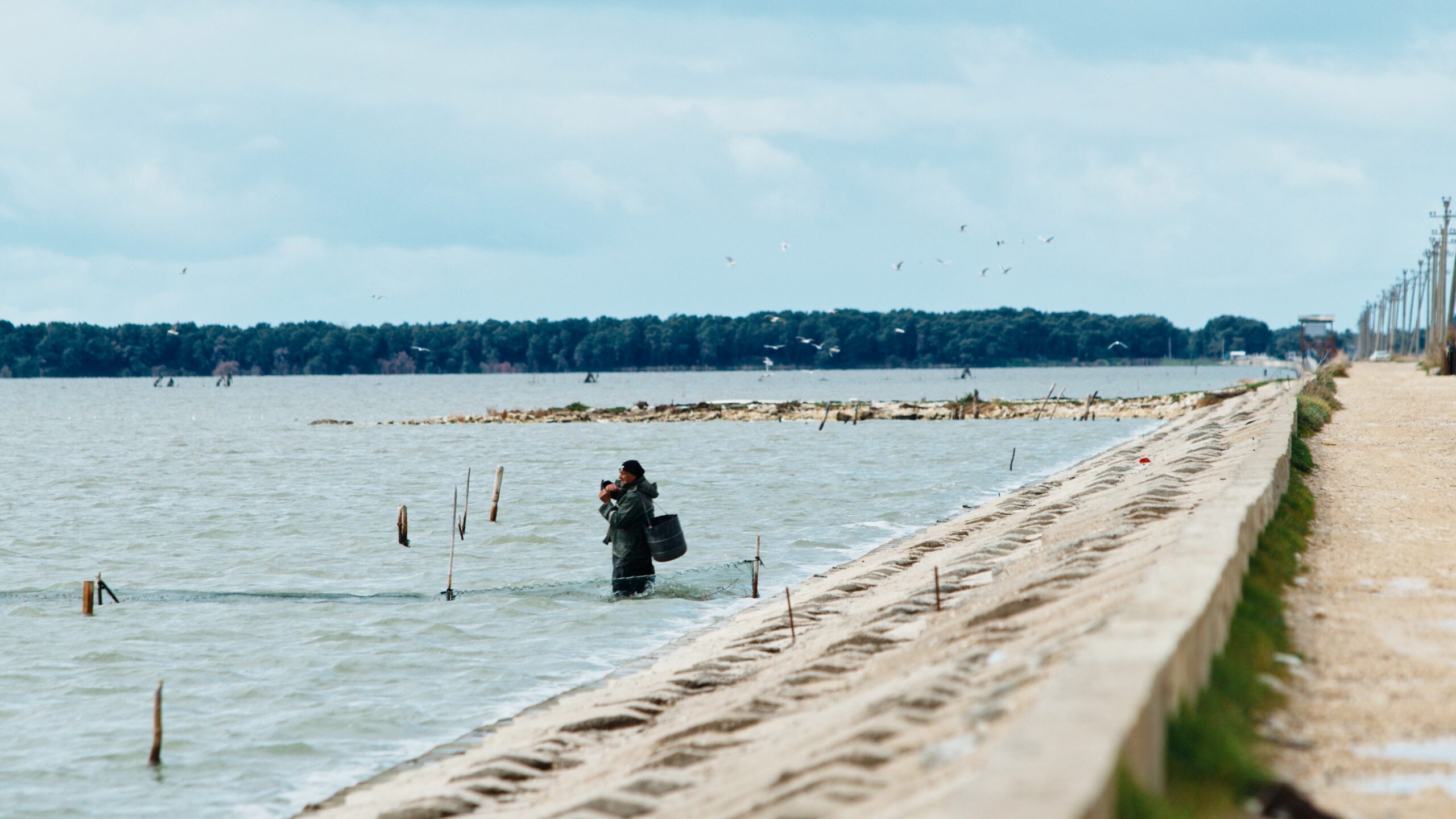
The threat becomes even more apparent when one considers that solar panels are expected to be installed across almost all the agricultural fields in order to supply electricity to the tourist resort. As Joni explained: “It is therefore ridiculous to hear these investors and the government talking about promoting biodiversity. In reality, the plan essentially involves destroying a natural area and replacing it with an urban one. There is no such thing as a ‘balanced way of developing this area’. Either we preserve Narta Lagoon and simply enjoy it, while benefiting from the services its ecosystem provides, the food it supplies to fish, the oxygen, the forest and everything else, or we destroy it and end up with yet another city, perhaps a more luxurious one, but one that does not actually serve the needs of ordinary people.”
From the outset, PPNEA opposed these plans and helped establish a national and international coalition that raised awareness at the European level and pursued legal action.
It is worth noting that, while the struggle waged by environmental organisations and local residents succeeded in securing protection for the Vjosa River through its designation as a National Park in the summer of 2023, the river delta was excluded from the National Park, despite being part of a protected area.
Furthermore, the Albanian government openly disregarded both the decision of the Bern Convention’s Standing Committee and the position taken by the majority of European countries against the illegal construction of Vlora Airport. In doing so, it effectively set aside all the international conventions on nature protection that Albania has ratified.
According to Joni Vorpsi, the Albanian courts delayed hearing the case on the grounds that the organisations had not been directly affected by the airport’s construction. However, as he pointed out: “There is no other way to protect biodiversity, given that flamingos cannot file lawsuits against the airport!”
Beyond the outcome of the legal proceedings and whether the European Union will succeed in pressuring Albania to comply with international law, the real defence of the land, water and all living and non-living things will ultimately depend on the popular mobilisations currently underway. These are precisely what the environmental organisations’ efforts have been seeking to encourage all along.
Interestingly, when we conducted the interview, local farmers were not yet strongly opposed to the airport or the tourist resort plans. As happens in many cases, government propaganda had temporarily proved effective. The claims that “the airport will bring our children back home from abroad” and that the investment and the tourism it would attract would create a market and increase demand for their produce, thereby boosting their income, had temporarily won people over.
“When we destroy our natural resources, we drive even more people away,” Joni Vorpsi remarked, raising another issue related to climate change. Coastal wetlands are extremely important in tackling climate change because they absorb and store large amounts of carbon. At the same time, they protect the land from disasters such as flooding and provide water reserves. The sand dunes in the area also serve as the first line of defence against coastal erosion, a problem that Albania is also facing.
“It is the state’s duty to protect the 14 kilometres of wild, untouched coastline threatened by the plans of Kushner and local businesspeople. Of course, everyone wants to own this free, wild space. In our case, the state is prepared to hand everything over just to remain in power. But this is not a lost battle. We have seen in other cases that when people genuinely begin to care for nature and understand its importance, they resist, and destructive projects are stopped. Albanian society must protect its environment. We now have the evidence and sufficient knowledge to stand up against the destruction that has been taking place here for the past 30 years,” he concluded. Two and a half months later, Joni Vorpsi’s words seem almost prophetic.
The story continues in the Balkan Food Trailblazers video series, to be published on our YouTube channel in September. This investigation was made possible with funding from the Rosa Luxemburg Foundation, Greece.